Comparing Organic Mattresses: Naturepedic vs. Other Leading Brands
In the realm of sleep, where we spend nearly a third of our lives, the mattress is not merely a surface but a sanctuary. Naturepedic has long courted attention with its commitment to organic materials and transparent certifications. Yet, how does this beacon of clean sleep fare when placed beside other leading brands that tout similar promises? This editorial compares materials, certifications, and comfort to guide you toward a healthier night’s sleep without compromising style, sustainability, or sensory delight.
Why Certifications Matter in Organic Mattresses
Choosing an organic mattress is about more than a single material label. It’s about a chain of responsible choices—from raw fiber sourcing to production safeguards and end-of-life considerations. Certifications provide a trusted framework to assess these choices. When you see terms like GOTS, GOLS, MADE SAFE, and other third-party verifications, you are looking at a scaffold designed to protect your health and the planet.
GOTS (Global Organic Textile Standard) ensures that textiles, including organic cotton fibers and associated components, meet strict ecological and social criteria throughout the supply chain. GOLS (Global Organic Latex Standard) focuses on the organic latex components, verifying purity and responsible extraction. MADE SAFE certifies that materials are free from known hazardous chemicals for consumer products. A mattress that carries these marks typically indicates a high standard of material integrity and transparent manufacturing practices.
True 100% organic, in practice, means more than a single layer labeled “organic.” It means the core, the comfort layers, the fabric cover, and even adhesives all align with organic or similarly rigorous standards, minimizing chemical exposure during sleep and supporting indoor air quality.
Key Comparison Factors You Should Expect to See
- Materials: organic cotton, natural wool, latex, and other plant-based or mineral components. Look for blends that prioritize purity alongside comfort and durability.
- Certifications: what they cover, the scope of the certification, and whether the brand discloses independent test results.
- Firmness options: how brands categorize firmness, support zones, and how those translate to different sleep positions.
- Temperature regulation: breathable layers, moisture management, and airflow characteristics that minimize overheating.
- Durability and edge support: memory of shape, resilience under daily use, and how the mattress maintains performance over time.
- Hypoallergenic properties: resistance to dust mites, mold, and other common allergens.
- Care and longevity: whether covers are removable, washable, and how easily the mattress can be maintained over years.
Naturepedic: A Case Study in Organic Sleep
Naturepedic has built a distinctive narrative around organic bedding, emphasizing chemical-free construction and thoughtful design. From its early focus on organic cotton fabric to its later expansion into wool-filled and latex-inclusive options, Naturepedic positions itself as a conscientious choice for families, allergy sufferers, and eco-minded sleepers.
In practice, this means you’ll encounter mattresses and toppers featuring GOTS-certified organic cotton blends, natural wool batting for temperature regulation, and latex components that are processed with attention to purity and safety. The brand’s product pages frequently highlight the absence of flame retardants and synthetic foams, aligning with a philosophy of simpler, healthier sleep surfaces.
Beyond materials, Naturepedic’s approach often emphasizes practical benefits—cooling properties of wool, the responsive lift of latex, and the crisp feel of organic cotton covers. These attributes contribute to a calming, luxurious bedtime ritual that readers associate with refined, health-conscious living.
Other Leading Organic Brands: A Quick Panorama
Several brands dominate the organic mattress conversation, each with its own emphasis. Some champion latex-based constructions for support and buoyancy, while others lean into wool-sponge combos for natural temperature control. Common threads across these brands include:
- Transparent material lists and third-party lab results for peace of mind.
- Certification portfolios that span organic fabrics, cruelty-free processing, and sustainable packaging.
- Standards for edge support, motion isolation, and compatibility with adjustable bases.
As you compare Naturepedic against other leaders, you’ll notice a shared devotion to minimizing synthetic additives without compromising comfort. The differences often emerge in how aggressively a brand skirts chemical exposure, how it manages heat, and how it structures the price-to-performance ratio.
A Vogue-Driven Guide to Reading Product Specs
To curate a sleep experience that feels like a stylist’s dream rather than a commodity purchase, approach product specs with the eye of a fashion editor analyzing a runway collection. Here’s a chic, practical checklist:
- Fabric and cover: Is it GOTS-certified organic cotton? Is the cover removable and washable?
- Core materials: Is the core latex certified (GOLS), or does it rely on bio-based foams? Are wool bindings natural and chemical-free?
- Certifications: Which bodies certify the product, and what exactly do they cover (materials, processes, social compliance)?
- Temperature regulation: Are there ventilated zones, wool loft, or phase-change materials that manage heat?
- Durability signals: Layer thickness, density ratings, and expected lifespan under daily use.
- Trial and warranty: How generous is the sleep trial, and what does the warranty cover?
As you traverse this checklist, you’ll begin to understand that organic certification is an ecosystem rather than a single badge. The goal is a seamless blend of comfort, health, and elegance in sleep.
A Couture Set of Mattress Legends: 3 Key Figures Through Time
No luxury sleep narrative is complete without a nod to the minds that shaped our understanding of comfort and materials. Here are three influential figures, spanning different eras, whose ideas echo through today’s organic mattress conversations.
Mid-20th Century: Florence Knoll
Icon of modernist design, Florence Knoll reimagined interiors with a discipline that married form to function. While not a mattress designer herself, her spirit informs contemporary bed design—clean lines, honest materials, and a belief that furniture should elevate daily rituals. Her approach influences how modern platform beds and simple, durable foundations frame sleep spaces today, urging brands to pair aesthetic restraint with practical comfort.
Late 20th Century: Donald M. Brown (Sleep Research Pioneer)
As sleep research matured, Brown’s work on ergonomics and sleep environments underscored the importance of supportive surfaces and temperature regulation. His principles—proper alignment, stable bases, and climate-aware bedding—resonate with today’s organic mattress philosophy, reinforcing that science, comfort, and natural materials can converge in a single sleep system.
Contemporary: Maria Sharpe (Material Science of Textiles)
In the current era, textile science scholars like Sharpe champion the intersection of safety, performance, and sustainability. Her work on natural fiber composites informs how brands select wool, cotton, and latex for both comfort and ecological responsibility. The modern organic mattress scene owes a debt to such thinkers who push for clarity in labeling and integrity in sourcing.
Signature Product Spotlight
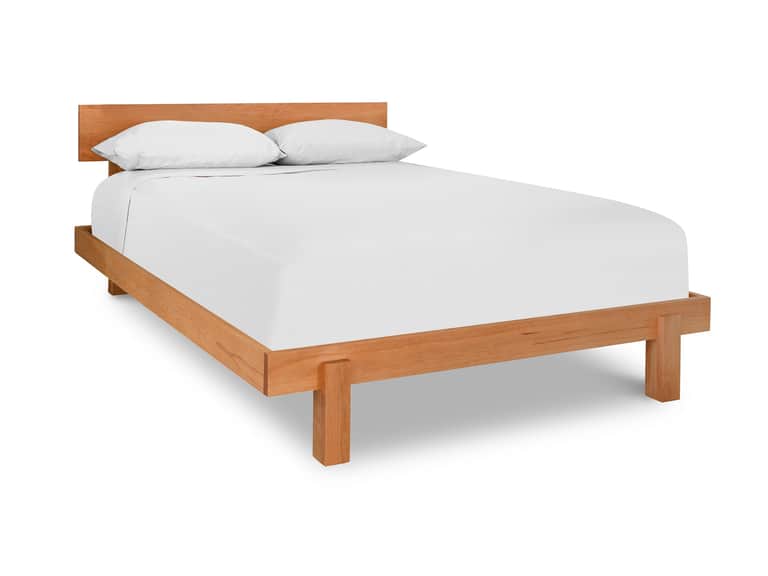
A visual cue in a Vogue-like sleep editorial, a standout product can anchor the conversation. Here is a curated sample that embodies the ethos discussed: the Heartwood Shaker Studio-Style Platform Bed. While not a mattress itself, it provides the ultimate foundation for a sleep sanctuary crafted from solid walnut or other hardwoods, pairing beautifully with organic mattresses and natural bedding.
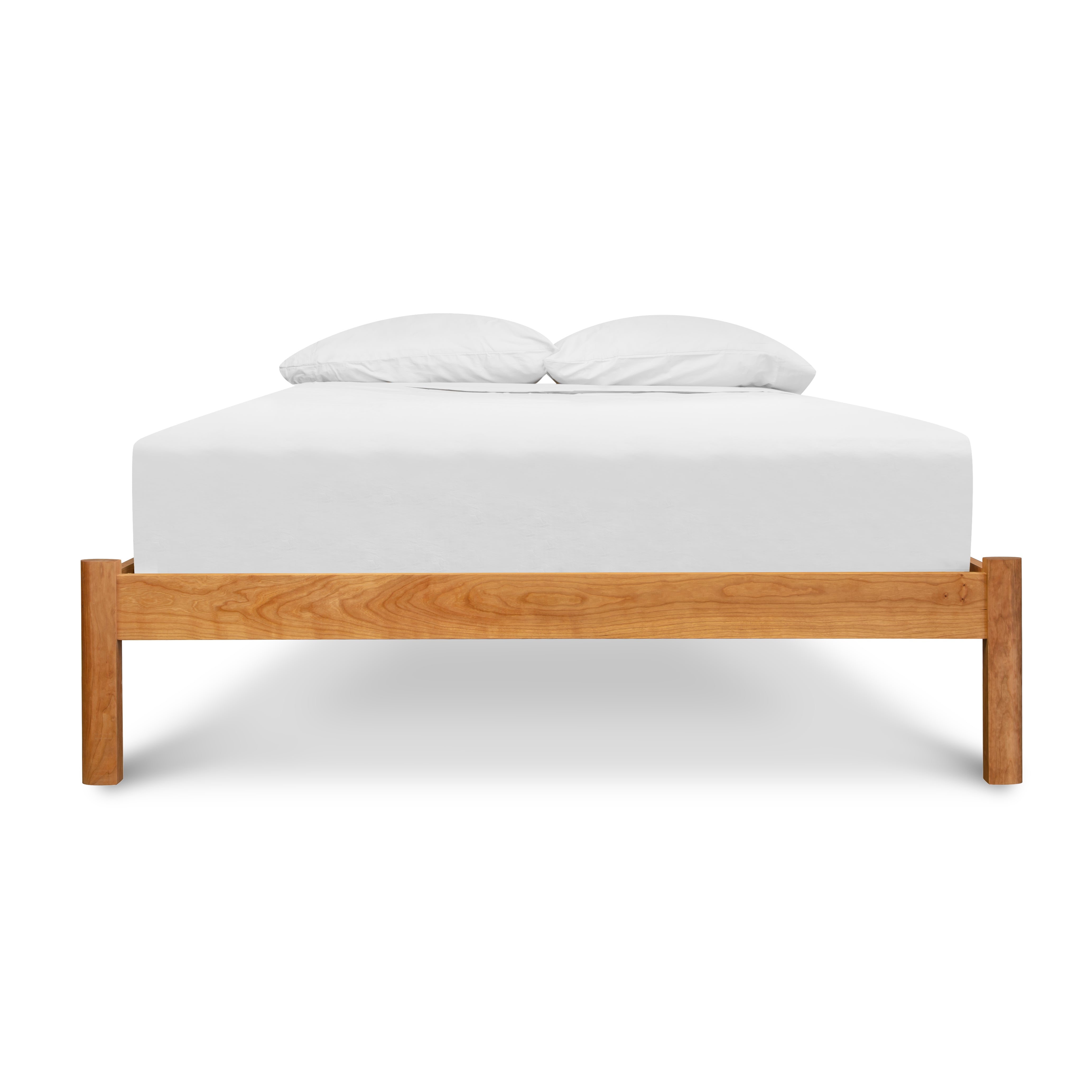
Heartwood Shaker Studio-Style Platform Bed
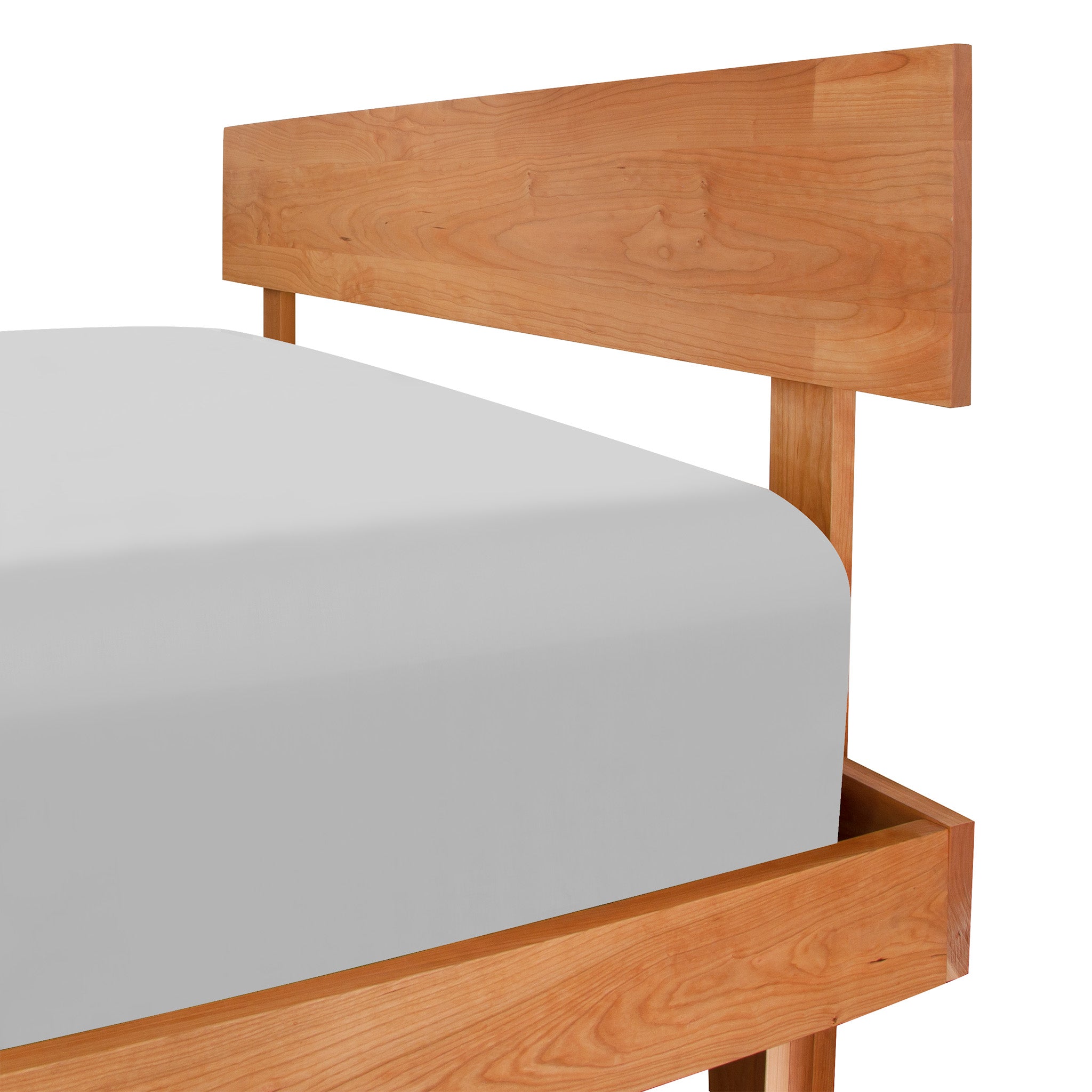
Handcrafted to order in Vermont from solid hardwood with an eco-friendly oil finish, this studio-style platform bed offers a minimalist, durable foundation for modern bedrooms. The absence of a footboard and headboard creates a clean silhouette that highlights the grain of walnut, cherry, or maple—an ideal pairing with organic mattresses for a sleep environment that's both luxurious and grounded in natural materials.
Material: Solid cherry, maple, or walnut hardwood
Finish: Eco-friendly oil finish
Origin: Vermont, USA
Price upon inquiry; handcrafted to order
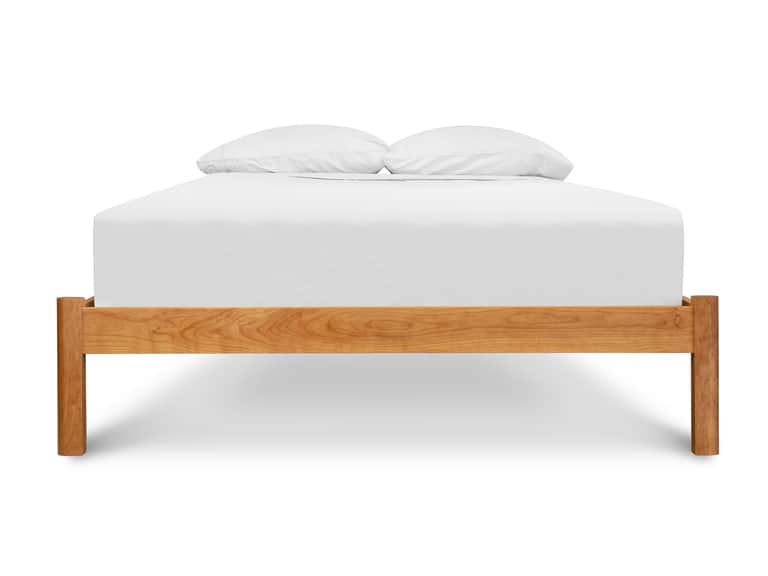
Kipling Bed
A platform bed designed with clean lines in natural cherry, maple, or walnut. Studio-crafted, built to endure, and versatile for modern or traditional bedding ensembles.
Origin: Vermont Furniture Designs
View product details and specs
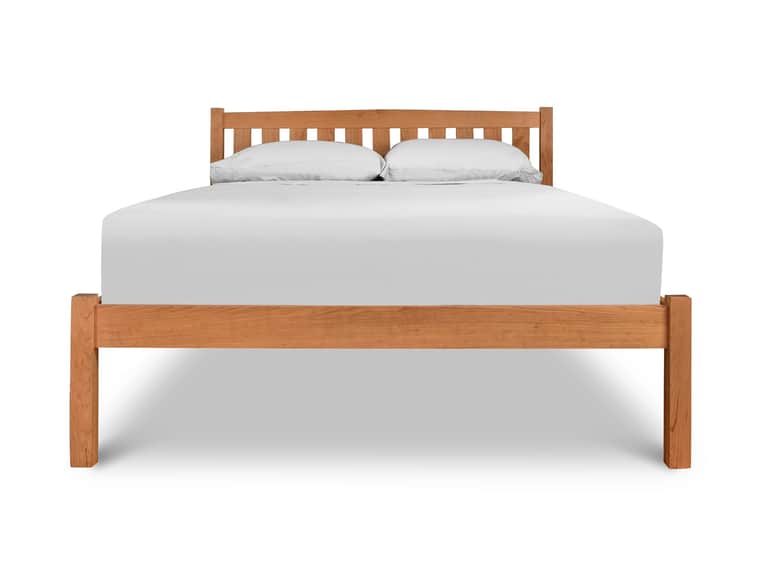
Bennington Bed with Low Footboard
Platform bed featuring a low footboard for a spacious look, available in natural Cherry, Maple, or Walnut. A versatile base that harmonizes with a range of textiles and toppers.
Origin: Vermont Furniture Designs
Explore specifications and customization options
Product and Material Highlights: A Quick Reference
When evaluating organic mattresses in a Vogue-worthy aesthetic, consider the following curated examples from reputable sources that align with the organic ethos and the walnut-based branding you see in WalnutBeds. The intent is to pair sleep essentials with timeless design that respects materials, sustainability, and comfort.
Heartwood Shaker Studio-Style Platform Bed
Solid walnut with eco-friendly oil finish. Bed base that anchors a modern room with a timeless silhouette.
Kipling Bed
Platform bed in natural hardwoods with precise lines—crafted for longevity and quiet luxury.
Guided Path to Choosing Your Organic Mattress
To translate theory into a purchase that feels as stylish as it is sensible, follow a guided path that respects both form and function. Start by identifying your primary sleeping position and body weight, then map that to a firmness profile. Consider temperature sensitivity—do you run hot, or do you prefer a crisper surface? Then, review the certification portfolio of potential brands alongside the material synergies that matter most to you: wool for temperature regulation, organic cotton for breathability, latex for supportive bounce, or a hybrid approach for a balanced feel.
Finally, evaluate the full sleep ecosystem: the bed frame, the foundation (box spring vs. platform), the duvet covers and bedding fabrics, and the room’s climate controls. A cohesive, domestic-inspired aesthetic—where walnut woods, organic fabrics, and thoughtful engineering merge—creates a sleep environment that is not only healthier but also irresistibly chic.
Conclusion: Sleep as a Statement of Wellness
As fashion houses curate wardrobes with intention, so too should our sleep spaces be curated with intention. Organic mattresses are more than a product category; they are a pledge to health, sustainability, and elevated design. Whether you align with Naturepedic’s transparent organic mission or you explore other leading brands that share this commitment, the goal remains the same: to drift into a night of restorative, toxin-free sleep wrapped in materials that feel indulgent, responsible, and quietly luxurious. In the end, your mattress is a living piece of your home’s story—an elegant intersection of health, comfort, and enduring style.