Crib mattresses are specialized cushions designed to fit standard cribs while prioritizing safe, supportive sleep environments for infants. Key features often include firm surfaces, low-profile heights, and materials that resist sagging to promote spinal alignment. Understanding firmness, breathability, and removable, washable covers helps caregivers choose a mattress that aligns with safety guidelines and daily practicality.
Breathability is a central characteristic of many crib mattresses, helping regulate infant temperature and reduce moisture buildup. Materials such as breathable covers and design features like vented layers contribute to airflow without compromising firmness. When evaluating options, consider how the construction supports a consistent sleeping surface throughout the crib’s usable life.
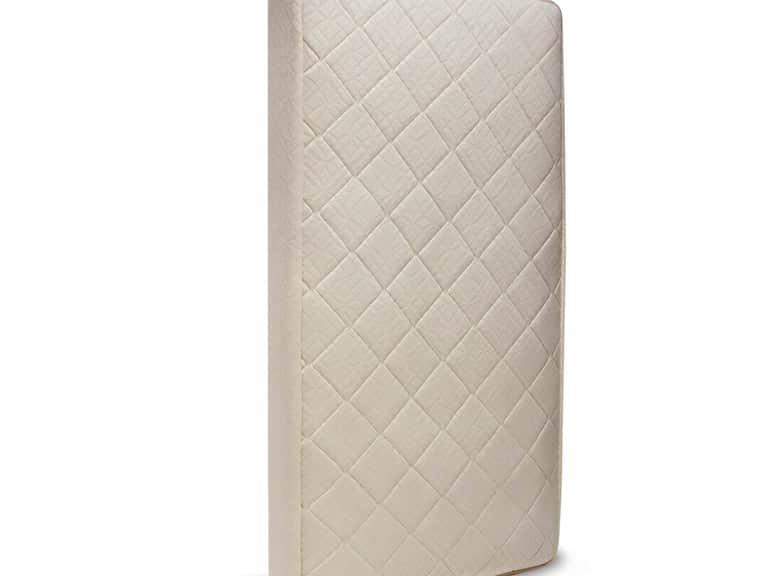
One notable model in this category is the Naturepedic Ultra Breathable 2-Stage Organic Crib Mattress, which emphasizes an organic approach with safe materials for babies. It typically features dual-stage firmness to accommodate newborns and older infants, alongside a waterproof, easy-to-clean surface that aids daily hygiene without chemical exposure.
Safety standards guide the design of crib mattresses, including edge support, minimal off-gassing, and materials free from harmful additives. Look for certifications and clear disclosures about materials such as organic cotton, food-grade plastics, and labeling that confirms compliance with consumer safety regulations, ensuring a hygienic sleep environment for infants.
In addition to core comfort and safety, practical considerations include compatibility with standard crib dimensions, ease of cleaning, and durability over time. A mattress with a removable, washable cover and robust resistance to bending and compression supports long-term usability, while meeting bedding needs through features that complement organic crib mattresses and related bedding such as pillows, duvet covers, and organic textiles.
 Nursery