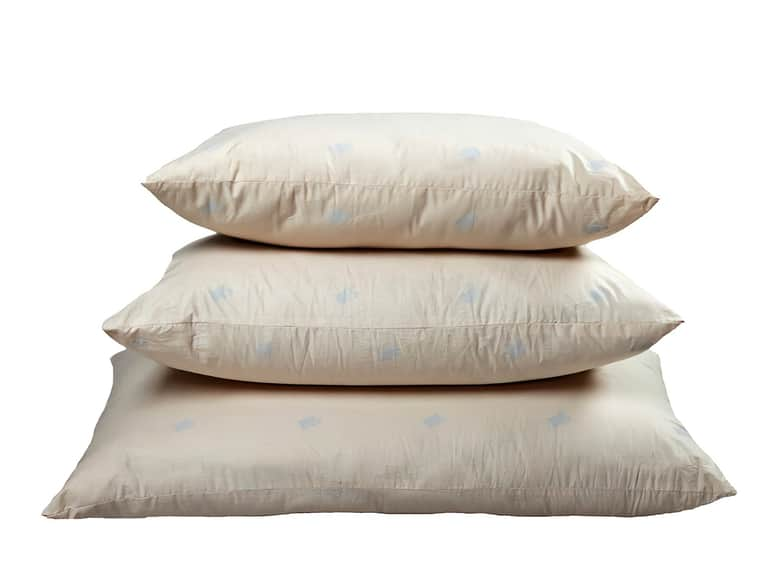
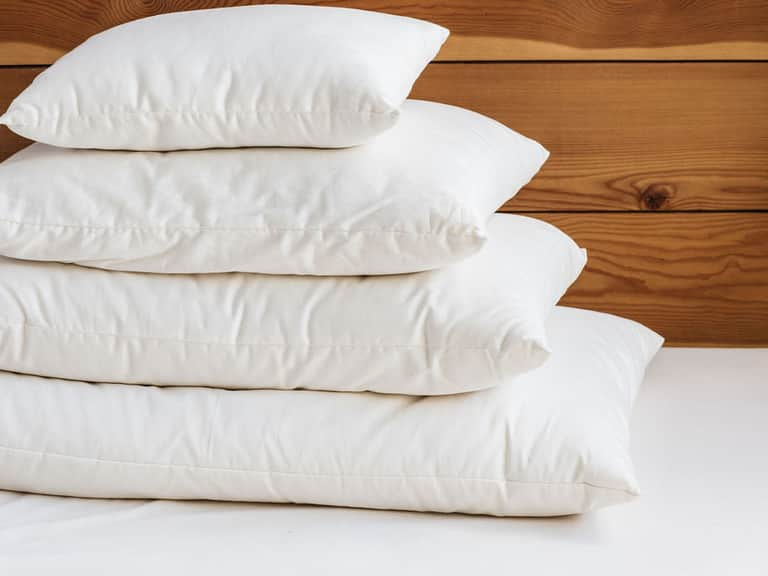
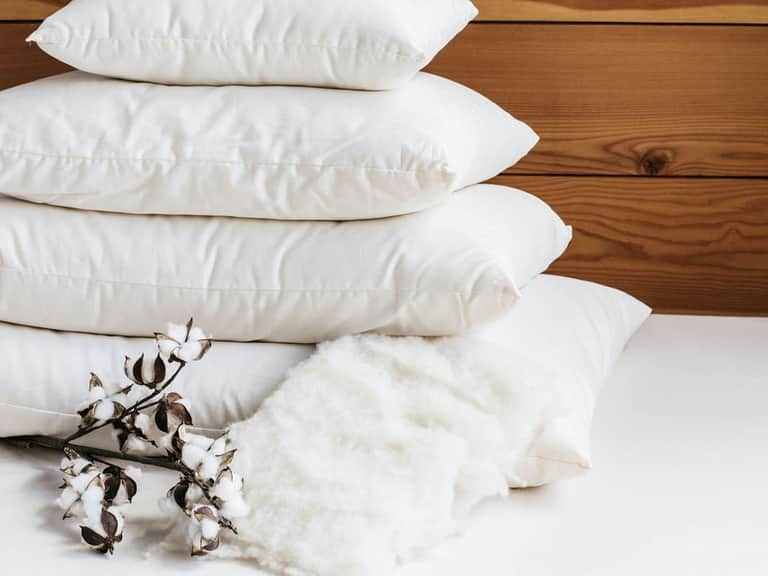
Wool in bedding offers natural temperature regulation, moisture wicking, and flame-resistant properties, making it a versatile choice for sleep environments. This material typically comes from sheep or other animals and is processed into fibers that trap air, providing insulation while still allowing breathability for year-round comfort. Understanding wool’s characteristics helps match it to individual sleep needs and climate conditions.
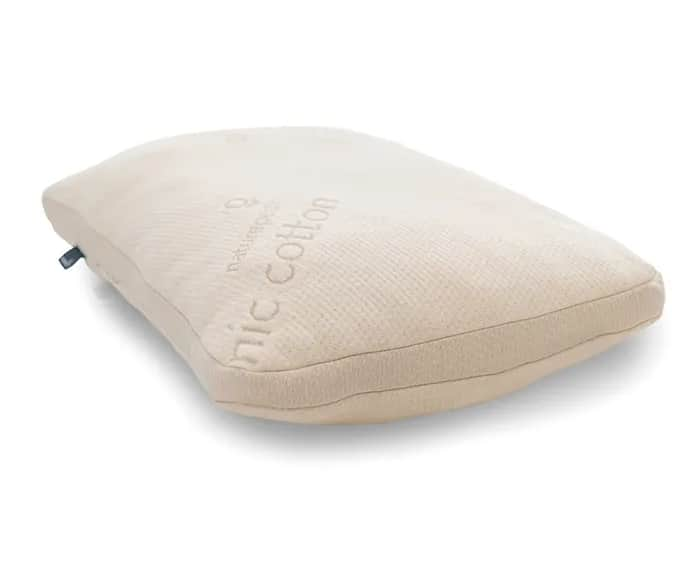
Key attributes of wool pillows include resilience, buoyant support, and the ability to retain loft after use. The Naturepedic Organic Wool Pillow emphasizes organic materials and chemical-free finishes, supporting sensitive sleepers and those seeking sustainable components. Wool fibers adapt to head and neck contours, promoting alignment with reduced pressure points for restful slumber.
The Sleep and Beyond myWool Pillow showcases the practical benefits of wool fillings, such as improved airflow and natural odor resistance. Wool’s crimped structure creates small air pockets that help regulate temperature and wick away moisture, contributing to a drier, more comfortable pillow core during varying seasonal needs and sleep styles.
All-natural wool-filled bed pillows combine sustainability with functional versatility. These pillows often feature untreated or minimally processed wool, offering hypoallergenic potential and long-lasting durability. When selecting wool bedding, consider filling weight, cover fabric, and the presence of any added fibers to balance support, softness, and hygiene goals.
In the broader landscape of wool bedding, related products such as organic mattresses and crib mattresses illustrate the material’s emphasis on natural composition and health-conscious design. Keywords including bedding, pillows, duvet covers, and organic options highlight wool’s role in supporting waking comfort, thermal balance, and sustainable sleep ecosystems.
 Bedding